How Often Should You Clean Gutters in Virginia? A Seasonal Schedule for the Shenandoah Valley
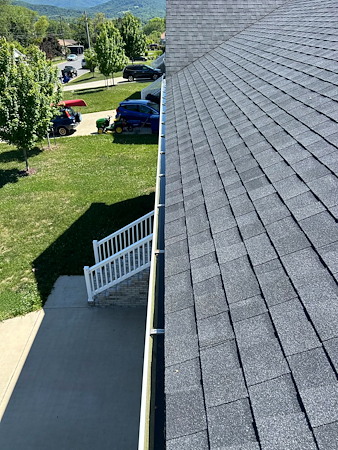
Virginia weather keeps gutters busy. Spring pollen, summer downpours, fall leaf season, and winter freeze-thaw all work against your roofline. For most homes in the Shenandoah Valley, the safe rule is two to four cleanings per year. If you live under tall oaks or pines, plan on more. To protect your siding, foundation, and landscaping, book professional gutter cleaning service on a predictable schedule that matches our local climate.
Below is a practical calendar built for neighborhoods from Front Royal to Winchester and across towns like Strasburg, Middletown, and Lake Frederick. Use it to time service before clogs become damage.
Why Gutter Cleaning in Virginia Needs a Local Schedule
The Valley sits between the Blue Ridge and Alleghenies, which funnels wind and pushes sudden storms across rooftops. Spring brings heavy pollen and seed pods. Summer often stacks fast-moving thunderstorms on humid afternoons. By late October and November, hardwoods dump leaves quickly. Winter can lock debris in place with ice. Each season stresses your system in a different way, so frequency is not one size fits all.
The Shenandoah Valley Seasonal Timeline
Early Spring: March to April
After winter, gutters often hold roof grit and twigs that freeze-thaw cycles left behind. Pollen from pine and maple coats everything in yellow dust. If that powder cakes inside a damp gutter, it forms a paste that slows water and feeds algae. A spring appointment clears this buildup before April showers test your downspouts. Homes shaded by tall pines around Lake Frederick or Linden should not skip this window.
Late Spring to Early Summer: May to June
Seed pods and helicopter samaras spin straight into open gutters. Silt from heavy rains settles in low spots. A quick check by a pro keeps outlets clear so summer storms drain fast. If your roof has valleys that feed a single downspout, this is the time to make sure that outlet is open and tight.
Mid to Late Summer: July to August
Thunderstorm cells can dump an inch of rain in minutes from Front Royal to Stephens City. Gutters with even small blockages push water over the edge. That overflow streaks siding, erodes mulch, and can soak basement walls. A midsummer cleaning helps if you have lots of roof surface or if pine needles are a constant. This is especially helpful on metal roofs where water moves faster.
Fall Leaf Season: Late October to Mid November
When the hardwoods drop, they fill gutters fast. Oak leaves curl and bridge, trapping everything behind them. Maples mat down when wet. Schedule your main cleaning after peak color but before the first hard freeze. In Winchester and Middletown, that sweet spot usually falls in early to mid November. A thorough fall service also catches loose ferrules, seam leaks, and misaligned downspout elbows that formed over the year.
Winter Readiness: December to February
Ice builds where water slows. If debris blocks outlets, meltwater backs up and can seep under shingles. Keeping troughs clear before cold snaps lowers the risk of ice-related leaks. In deeper winter, a quick visual check from the ground after big storms is smart. If you see frozen curtains at corners or long icicles where they do not usually form, book a cold-season visit.
Local insight: After a windy Blue Ridge front, gutters can clog in a single afternoon, even if they were clear the week before. Booking service soon after peak leaf drop prevents ice from locking debris in place for months.
How Trees And Roof Type Change Your Cleaning Frequency
Pine-Heavy Lots
Pine needles are light, narrow, and stubborn. They slide under guards, collect at outlet screens, and tangle with seed pods. If your home sits under white pines or hemlock, plan for three to four visits yearly: early spring, midsummer, late fall, and a winter readiness check.
Hardwood Neighborhoods
Oaks, maples, and sweetgums are the big players around Winchester and Strasburg. Expect heavy drop in late October and early November, plus a bonus dump during strong November winds. Two to three cleanings a year usually works: spring, post-leaf fall, and a summer touch if storms are frequent.
Roof Material And Pitch
Metal roofs shed water and debris faster. That can move clogs into downspouts quicker, so outlets need extra attention. Lower-slope asphalt roofs collect grit that settles in the troughs. Homes with multiple valleys or long runs should consider an added midsummer visit.
Build Your Virginia Gutter Cleaning Calendar
Use the plan below as a starting point and adjust for tree cover and roof design. Your goal is to keep water moving all year without letting debris settle and harden.
- March or April: clear winter grit, twigs, and spring pollen paste.
- June or July: remove seed pods and sediment before storm season peaks.
- Early to Mid November: post-leaf fall cleanup before the first deep freeze.
- Optional January check: verify outlets and hangers after early winter storms.
Homes under pine or mixed canopy may add an extra midsummer visit. New builds near active construction should add a cleaning while dust and sawdust are in the air.
What Happens If You Wait Too Long
Overflow does more than make a mess. It can wash out soil along your foundation and soak the top of basement walls. That moisture invites mildew and can stain brick and siding. In valleys with clay-heavy soils, trenching from repeated overflow channels rainwater toward the house, not away from it. **Clogged downspouts are a top cause of hidden foundation washouts in older neighborhoods.**
Delay also shortens gutter life. Wet debris is heavy. It sags seams and pulls hangers. On cold mornings, trapped water expands as it freezes, opening pinholes at end caps and corners. Those slow leaks leave rusty streaks and can rot fascia boards over time.
How To Time Service Around Virginia Storms
Our region often sees tropical remnants in September. After a windy system, gutters that were fine in August can plug overnight. If you live on a ridge or along open fields where gusts are stronger, assume a post-storm check is needed. **When forecast models call for several inches of rain, a proactive cleaning protects your soffits and landscaping.**
Do Gutter Guards Eliminate Cleaning?
Guards reduce volume but do not remove the need. Pollen, shingle grit, and pine needles still collect along edges and at outlets. Many mesh systems work well but require light maintenance to keep the top surface clear. Budget for at least annual service, and more if trees overhang the roof. A technician can spot loose panels, torn screens, or sealant that needs refresh.
Neighborhood Notes Across The Valley
Older streets in Front Royal with mature oaks need a decisive late fall cleaning. Newer subdivisions around Lake Frederick have more pines and benefit from a midsummer visit. Winchester’s west side often sees stronger winds during frontal passages, which shakes leaf piles loose. Elevation near the Massanutten range cools faster at night, so ice forms sooner on shaded eaves.
When To Call A Pro
Two-story homes, steep grades, and slick composite decks raise the risk of ladder work. **Skip risky ladder climbs and let trained techs handle the height and harnessing.** A professional service also inspects seams, ferrules, miters, and downspout straps, which saves time and prevents callbacks later.
For dependable scheduling and careful cleanup, choose a team that understands local weather patterns and tree species. You can book expert help with professional gutter cleaning and keep your home protected through every season.
Related Exterior Services That Help Gutters Work Better
Clean glass and clear rooflines both shed water the right way. If your windows show heavy pollen film or hard water spots, pairing service with window washing improves runoff and curb appeal. Solar homeowners can also benefit from solar panel cleaning after spring pollen to keep productivity high.
For broader home care, many homeowners like to bundle their seasonal plan and set reminders. If you prefer a single point of contact, you can start with gutter cleaning in virginia and add other services as needed during your site visit.
Simple Signs You Need Service Soon
- Water sheets over the gutter during a moderate rain.
- Mulch is displaced or soil has channels under the eaves.
- Visible leaf mats or pine needles sticking from the trough.
- Streaks or tiger striping on the front of the gutter run.
- Persistent icicles at corners after a thaw.
If you notice any of these, book earlier than planned. **A quick visit before the next storm can prevent days of cleanup and future repairs.**
Your Seasonal Plan At A Glance
Most Virginia homes do well with two cleanings per year, timed to spring and immediately after leaf drop. Homes under heavy canopy or near long roof valleys benefit from three or four. Pine needles never take a season off, so factor them in if you see year-round needle fall. Keep notes by month, and you will spot the rhythm that works for your street.
Ready To Put Gutter Care On Autopilot?
Protect your home with a schedule that matches the Shenandoah Valley’s weather. Reserve your spot with Details By Devin today and keep water moving where it belongs. Call 540-974-4937 or book through our gutter cleaning page. Keeping ahead of spring pollen, summer storms, fall leaf season, and winter ice is the easiest way to avoid surprises.
We Clean Windows So You Don’t Have To. Contact Details By Devin For Window Cleaning & Gutter Cleaning Services